Everyday Nutrition Guide

You Plan a Balanced Plate, Then the Afternoon Crash Hits Anyway — Where Biblical drink oil and Honey blend Fits Into an Old Kitchen Habit

Long before food labels and glycemic charts, home cooks reached for Biblical drink oil and Honey blend to finish a dish. This page looks at that old kitchen habit and at the everyday practice of eating foods in a certain order — it’s educational reading, not medical advice, and it doesn’t replace the guidance of the doctor or dietitian who already knows your routine.

Everyday Nutrition  ·  Daily Habits  ·  Educational Content

The Plate Looks Balanced. The Afternoon Doesn't Feel Like It.

Expectation: eat something sensible, feel steady all day. Reality, for a lot of people, looks different. Here’s what that gap usually looks like up close.

Deciding Every Single Meal, Again

Breakfast, lunch, dinner — each one becomes its own small negotiation. By the third decision of the day, choosing what goes on the plate can feel heavier than it should.

Too Many Rules, Not Enough Clarity

Cut this, avoid that, watch the other thing — the advice piles up faster than it makes sense. Most days end with more questions than answers about what actually belongs on the plate.

Mornings That Start Already Tired

The alarm goes off and the day already feels behind. Before the first meal even happens, energy is running low, and that sets the tone for the hours after.

The Post-Lunch Dip Nobody Warned You About

The plate looked reasonable. An hour later, focus fades and the couch looks tempting. That gap between what a meal promises and what it delivers is exactly the kind of pattern worth paying attention to.

Carbs, Fruit, and 'Diabetic Food': Sorting Out What's Actually True

Kitchen talk is full of shortcuts. A few of the most common ones deserve a second look.

MYTH

All carbohydrates behave the same way on a plate.

FACT

Type, portion, and what a carbohydrate is eaten alongside all shape how a meal sits with you. Treating ‘carbs’ as one single category skips over a lot of useful detail.

MYTH

Fruit is something to avoid altogether.

FACT

Whole fruit comes with fiber and water that a glass of juice doesn’t. The conversation is less about avoiding fruit and more about how, and alongside what, it’s eaten.

MYTH

There’s a special category of ‘diabetic food’ that’s automatically the safer choice.

FACT

Packaging that promises a special diet doesn’t replace the basics of a well-put-together plate. For anything specific to your own routine, your doctor or dietitian is the one who can weigh in properly.

A Simple Habit Worth Trying: The Order of the Plate

Three small habits, not a diet plan — the kind of thing you can layer onto meals you already eat.

01

1. Vegetables and Fiber First

Starting the meal with the vegetables on the plate is an old, simple habit — eat that part first, then move on to the rest.

02

2. A Pace That Isn't Rushed

Eating slowly, with actual chewing and a pause between bites, changes how a meal feels from the inside. It’s less about rules and more about rhythm.

03

3. Light Movement After Eating

A short walk after a meal — even ten minutes around the block or up and down the stairs — is a habit many people build into their day. As with any change to routine, it’s worth checking with the doctor or care team that already knows your health history before adjusting habits around a meal or a treatment plan.

A Jar That's Been in Kitchens Longer Than the Modern Pantry

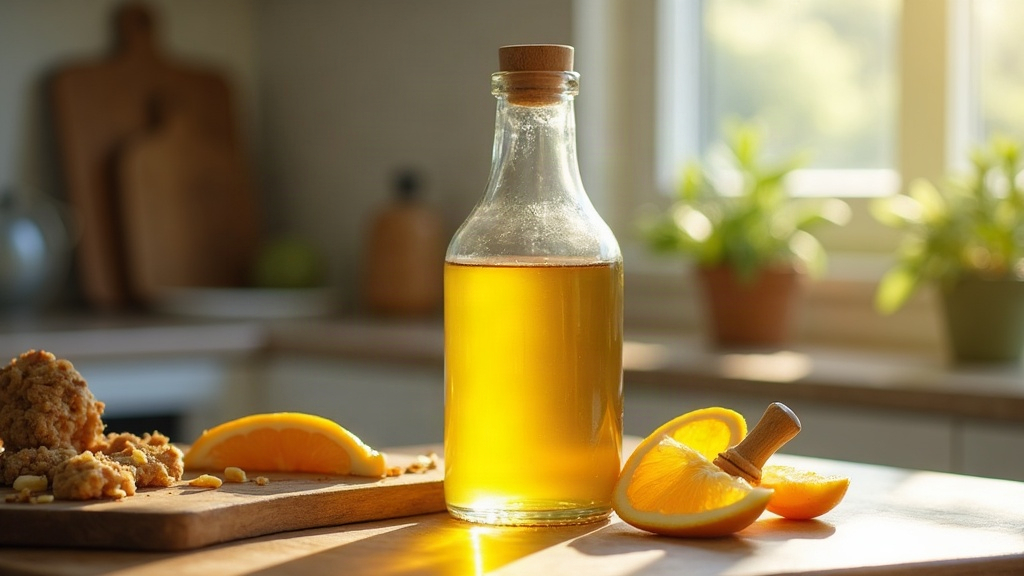
Long before nutrition labels existed, a blend of oil and honey had its place on the table in many traditional kitchens, often drawn from recipes passed down across generations and referenced in old texts describing meals of the region. It was stirred into a warm drink, spread thin over bread, or spooned over a dish at the end of cooking — valued in the kitchen the way a good finishing touch still is today, as something that rounds out a dish rather than something added for any other reason. Cooks used it because it was on hand, familiar, and part of how a meal came together, not because of any claim about what it did once eaten.

The interesting part of this history isn’t the ingredient itself — it’s the habit around it: reaching for something simple and traditional to complete a plate, the same instinct behind cooking from what’s already in the kitchen.

When It's Time to Bring It Up With Your Doctor

Energy That Swings Sharply After Meals

If the hours after eating feel like a real rollercoaster more days than not, that pattern is worth describing to the doctor or nurse who already follows your care.

Mornings That Never Feel Rested

Waking up tired even after a full night's sleep, on a regular basis, is a detail your healthcare provider should know about at your next visit.

Meals That Feel Confusing Every Time

If planning what to eat feels overwhelming on most days, a conversation with a dietitian or your doctor can help build a plan that actually fits your routine.

Any Change You're Considering to a Prescribed Routine

Before adjusting a medication, a dose, or anything your doctor prescribed — even based on something you read here — bring it to them first. That decision belongs with the professional managing your care.

New or Unusual Physical Sensations

Anything new, unusual, or concerning in how you feel physically deserves a conversation with your doctor rather than a guess based on an article.

Uncertainty About Your Own Numbers or Results

Questions about your own test results, trends, or targets should go directly to the healthcare provider who ordered them and can read them in context.

How a Few People Rearranged Their Routine

Putting the vegetables on my plate first, before anything else, turned out to be the easiest change I've made to how I eat. It didn't change my schedule at all — just the order I go through a meal.

Marisol Tan
Illustrative account
I used to overthink every lunch. Having three simple habits to follow — instead of a long list of rules — made planning meals a lot less exhausting.
Gregory Holt
Illustrative account
The short walk after dinner became a habit before I even noticed. Now it's just part of how the evening winds down, nothing dramatic about it.
Priya Nandakumar
Illustrative account

These accounts describe personal routines and are shared for illustrative purposes only. They are not a guarantee of any particular experience, and individual results and habits vary. This is not medical advice — please talk with your doctor before making changes to your diet, routine, or any prescribed treatment.

Curious How an Old Kitchen Habit Fits Into an Everyday Plate?

Take a closer look at the tradition behind Biblical drink oil and Honey blend and the simple order-of-the-plate habit — and remember to keep up with your regular medical care, and never change a prescribed treatment on your own.

Advertising Disclosure: This page contains sponsored content and affiliate links. We may receive compensation if you click a link or make a purchase through the links provided on this page. This helps support the operation of this site at no additional cost to you.

Content Disclaimer: This content is for educational and informational purposes only. It has not been evaluated by the FDA and is not intended to diagnose, treat, cure, or prevent any disease. It is not a substitute for professional medical advice, diagnosis, or treatment. Always consult a qualified healthcare professional before changing your diet, routine, or any prescribed treatment.

Results Disclaimer: Individual results vary. Any testimonials or examples shared on this page reflect personal experiences and are not a guarantee of any particular outcome for any reader.

© 2026 · All Rights Reserved